
Employees bring the expectations created by great consumer technology into the workplace. By designing experiences around progress, recognition, personalization, choice, and positive reinforcement, employers can transform participation from an obligation into something employees genuinely want to repeat.

Employers don't necessarily need more benefits—they need more employees using the benefits they already provide. Increasing participation can unlock greater value from existing investments while improving employee satisfaction, retention, health outcomes, and productivity.

Organizations measure workforce outcomes like productivity, turnover, and absenteeism—but often miss the everyday behaviors that produce them. Behavioral engagement data can provide powerful leading indicators of workforce health, safety, performance, and culture before traditional business outcomes appear.

The next generation of wellness goes far beyond counting steps. By rewarding a wider range of everyday behaviors—from sleep and stress management to preventive care and learning—programs can create more inclusive participation and sustainable behavior change.

As core HR technology becomes increasingly commoditized, the next competitive advantage may come from employee engagement. This article explores how HR platforms can evolve beyond payroll and administration to become everyday participation ecosystems that strengthen culture, retention, and platform value.

Health tracking has given people unprecedented access to personal health data, but information alone rarely changes behavior. This article explores why the next generation of wellness must focus on motivation, behavioral design, and turning health data into sustained participation.
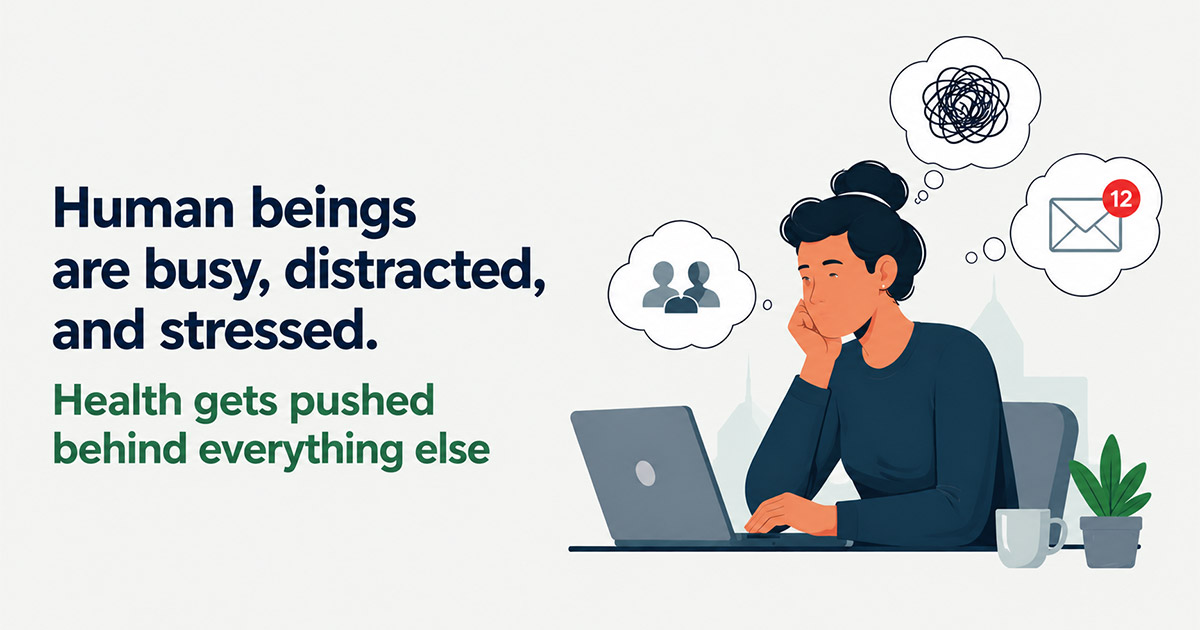
Why workplace wellness continues to struggle with participation despite an abundance of health content—and why sustained engagement, habit formation, and daily action matter more than adding more resources.
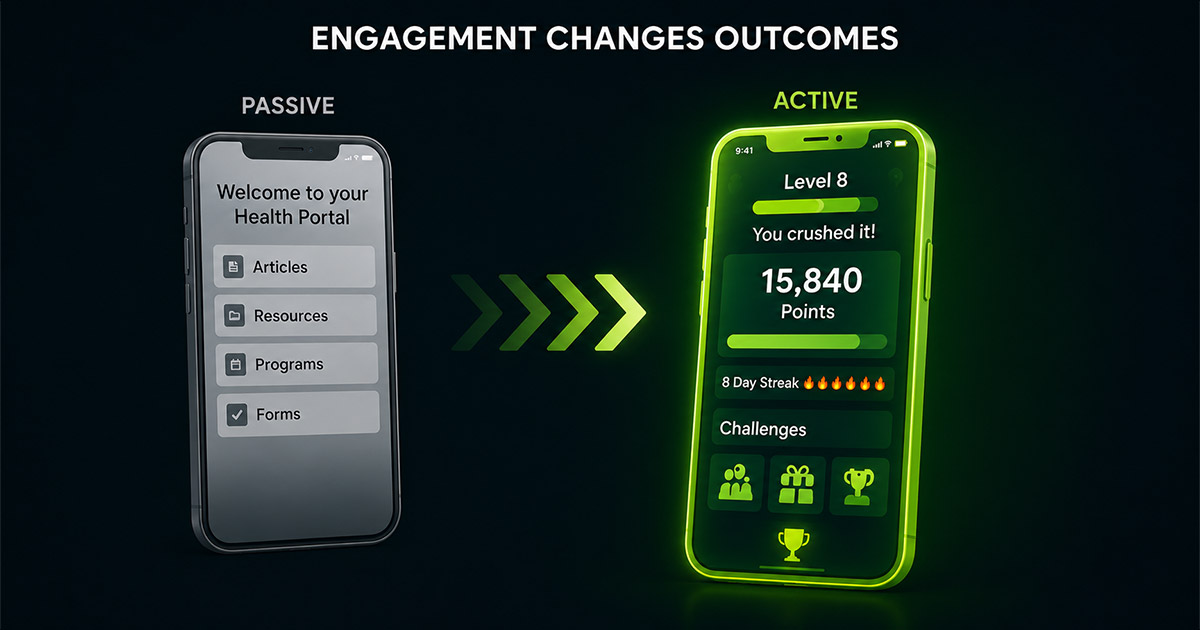
Insurance carriers have more health data and digital tools than ever, yet sustained member participation remains elusive. The next opportunity is adding a behavioral activation layer that turns existing programs and data into continuous, measurable engagement.
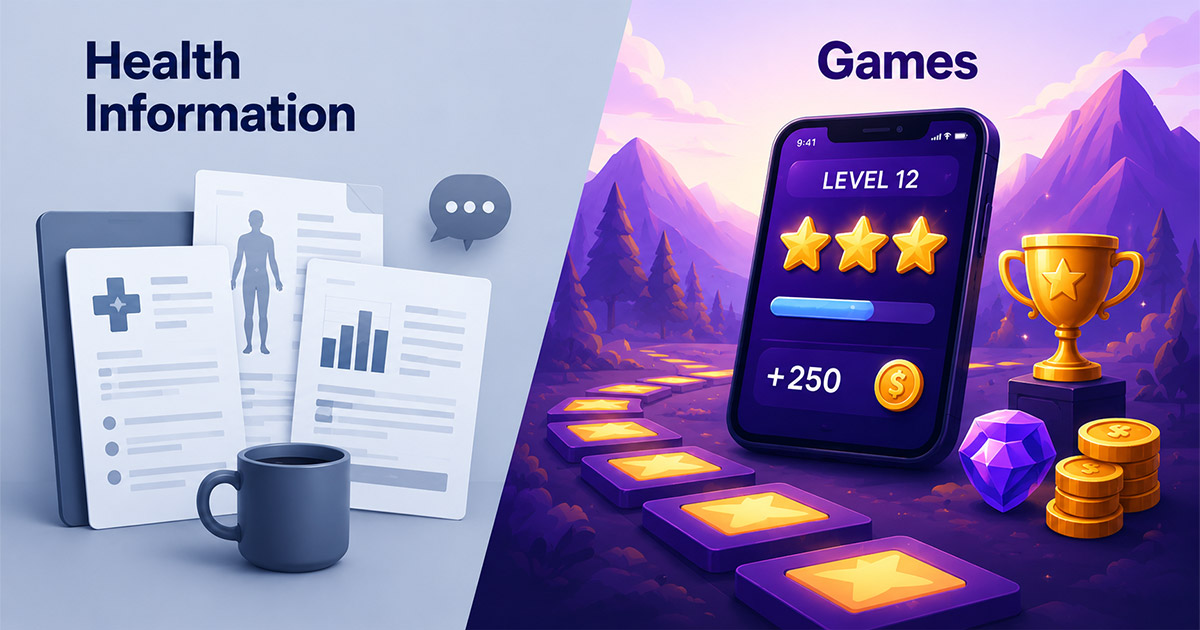
The gaming industry has spent decades learning how to keep people voluntarily engaged. Healthcare can apply many of the same principles—progress, rewards, social connection and purpose—to turn passive health experiences into sustained participation.