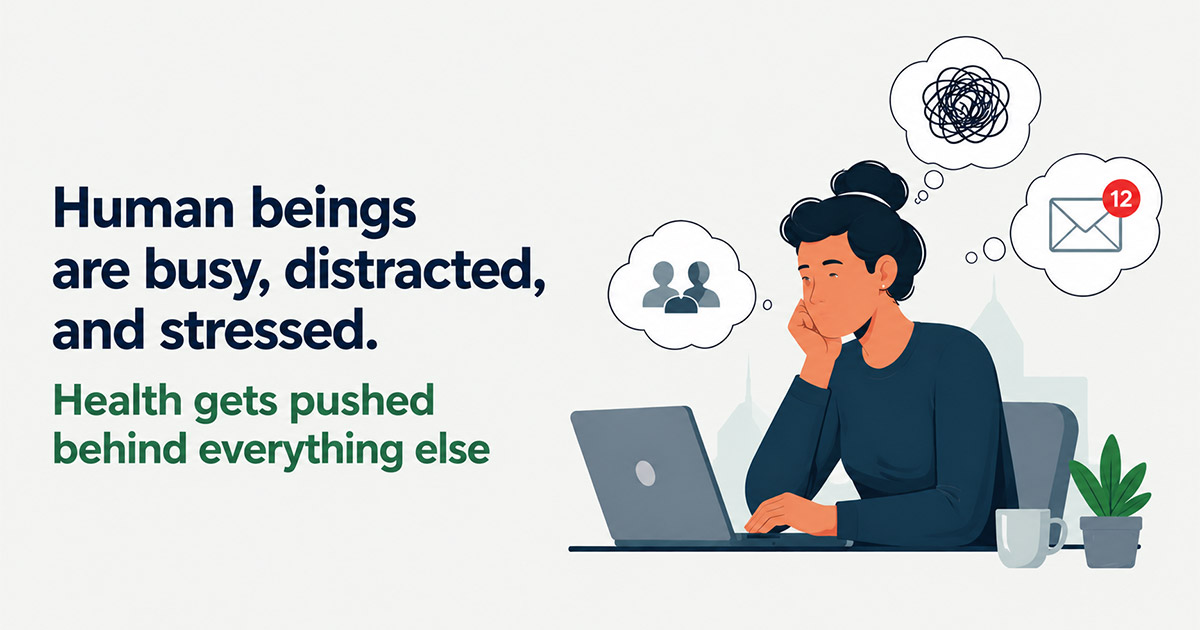
Healthcare spends enormous resources trying to get people to change their behavior. Exercise more. Eat better. Take medications consistently. Manage chronic conditions. Participate in wellness programs. Yet sustained engagement remains one of the industry's biggest challenges.
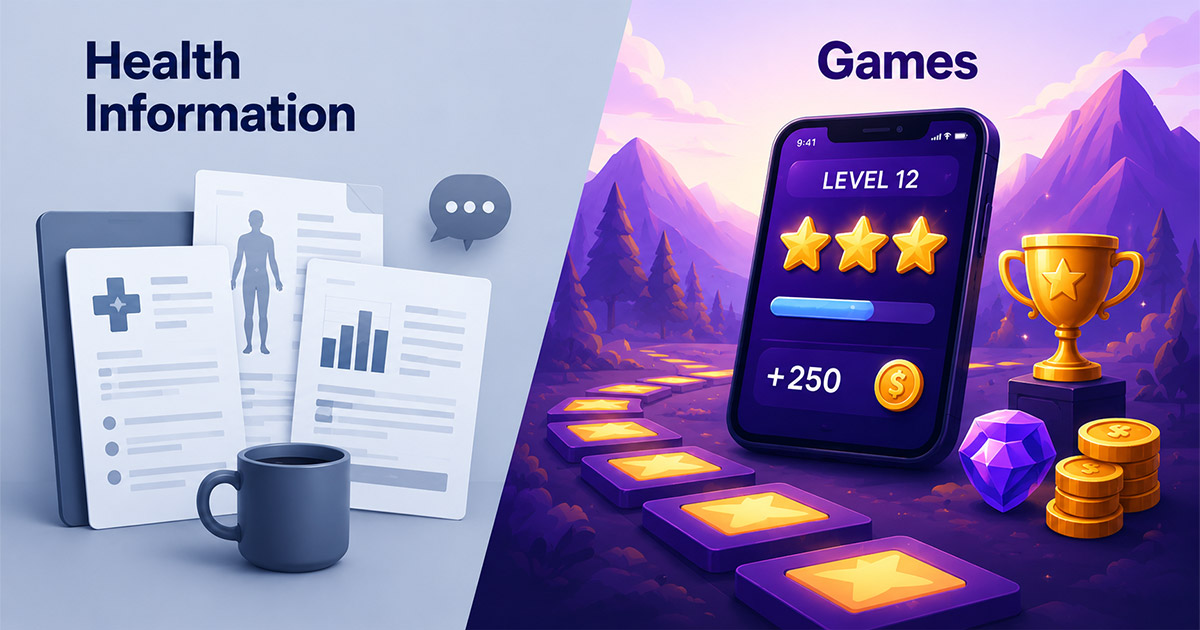
Meanwhile, another industry has spent decades solving almost exactly that problem: Gaming.
Hundreds of millions of people voluntarily return to games week after week. Not because they have to, but because games are intentionally designed to make participation fun and rewarding. Healthcare could learn from that playbook.
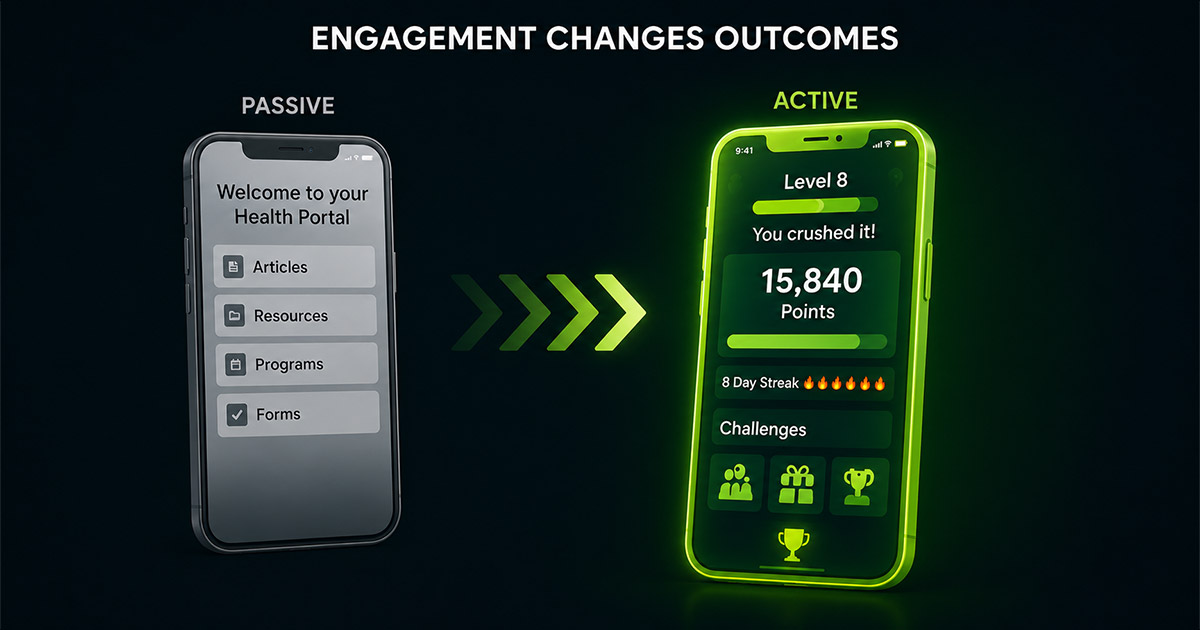
Games don't simply give people information and hope they act on it. They create systems built around participation. Players know what to do next. They see progress and earn rewards. They unlock new experiences. They compare results and interact with others. And their actions contribute to a clear objective.
Healthcare often takes a very different approach. Provide a diagnosis. Recommend a behavior. Send educational content. Deliver reminders. Show a report. But information alone rarely creates sustained motivation.
Game designers understand that motivation isn't simply a personal trait. It can be influenced by how an experience is designed. Successful games consistently use several principles:
- Clarity: People always know the next achievable step.
- Progress: Visible advancement creates momentum.
- Rewards: Actions are reinforced with meaningful recognition.
- Unlocks: New levels or experiences create anticipation.
- Social connection: Competition and cooperation encourage participation.
- Purpose: Actions contribute to a meaningful outcome.
None of these concepts requires turning healthcare into a video game. It means designing health experiences around the same human psychology that makes games effective.
The shift begins by changing what health programs are designed to accomplish. Instead of compliance, emphasize progression—help people move forward through achievable milestones. Instead of obligation, create achievement—make success feel rewarding rather than required. Instead of observation, encourage participation—turn people from passive recipients of health information into active participants. And instead of simply delivering more information, build momentum through repeated actions and reinforcement.
Employer wellness programs could generate greater participation. GLP-1 programs could reinforce the behaviors necessary for long-term success. Chronic-condition programs could encourage more active self-management. Remote patient monitoring could turn device data into daily action. Preventive care could engage people before problems become more serious.
The gaming industry learned long ago that sustained participation must be intentionally designed. Healthcare's next breakthrough may therefore come not from collecting another data point, sending another reminder or creating another dashboard. It may come from understanding why people voluntarily return to an experience. And applying those lessons to help them repeatedly do things that improve their health.
Some of healthcare's most valuable lessons may not come from hospitals, insurers or digital health companies—but from game designers.