
The greatest opportunity to reduce future health risk may come long before someone appears on a high-risk report. By encouraging small, repeatable healthy behaviors earlier, organizations can shift from managing emerging illness toward helping prevent it.

The next generation of wellness goes far beyond counting steps. By rewarding a wider range of everyday behaviors—from sleep and stress management to preventive care and learning—programs can create more inclusive participation and sustainable behavior change.
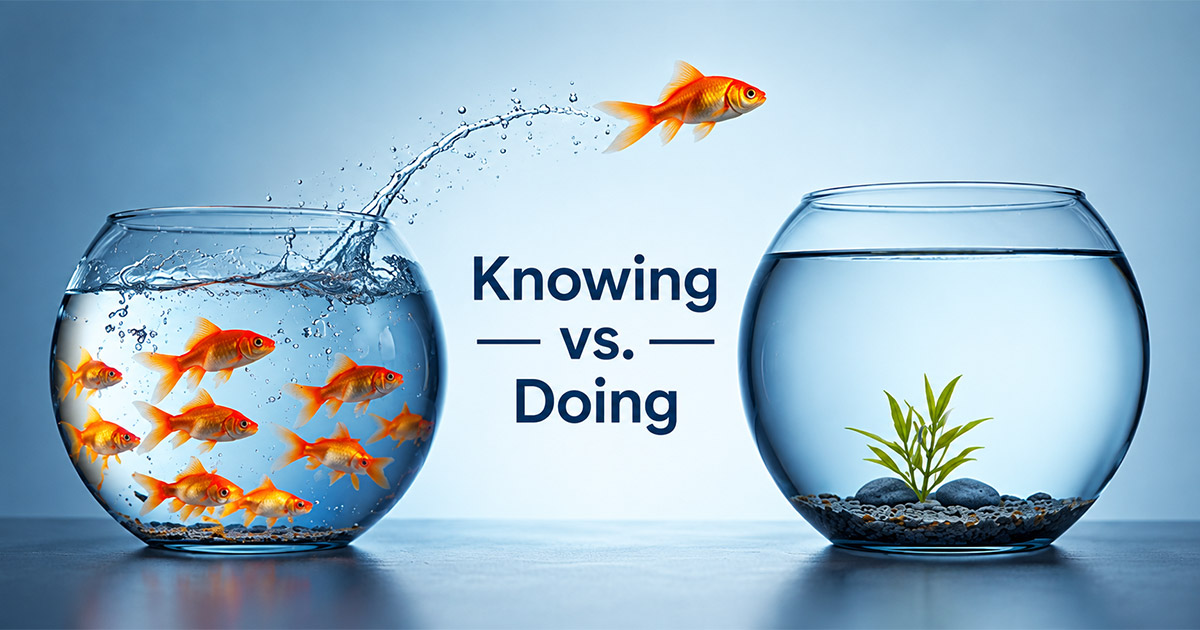
Behavior change, not access to health information, is the next major challenge in digital wellness. This article explores how behavioral science, habit formation, rewards, social accountability, and positive reinforcement can turn health data into sustained action.

Health tracking has given people unprecedented access to personal health data, but information alone rarely changes behavior. This article explores why the next generation of wellness must focus on motivation, behavioral design, and turning health data into sustained participation.
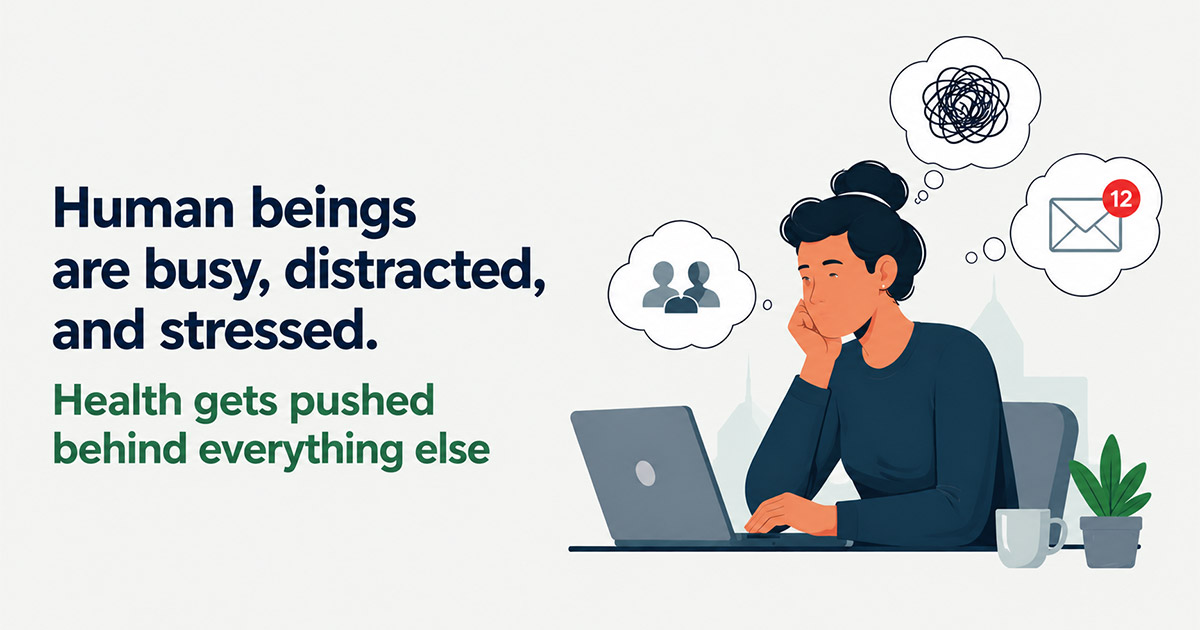
Why workplace wellness continues to struggle with participation despite an abundance of health content—and why sustained engagement, habit formation, and daily action matter more than adding more resources.

The gaming industry has spent decades learning how to keep people voluntarily engaged. Healthcare can apply many of the same principles—progress, rewards, social connection and purpose—to turn passive health experiences into sustained participation.