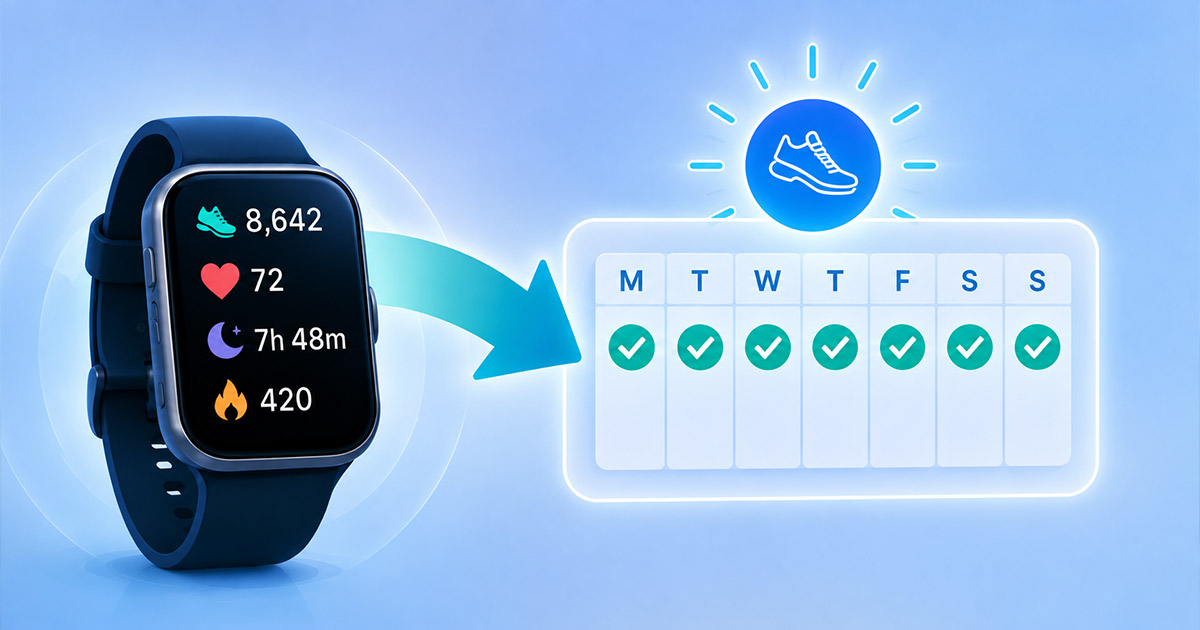
Healthcare has become exceptionally good at collecting data. We can measure steps, sleep, heart rate, calories, blood pressure, glucose, and countless other health metrics in real time.
But one stubborn question remains: Why do so many people with access to all of this information still struggle to change their behaviors?
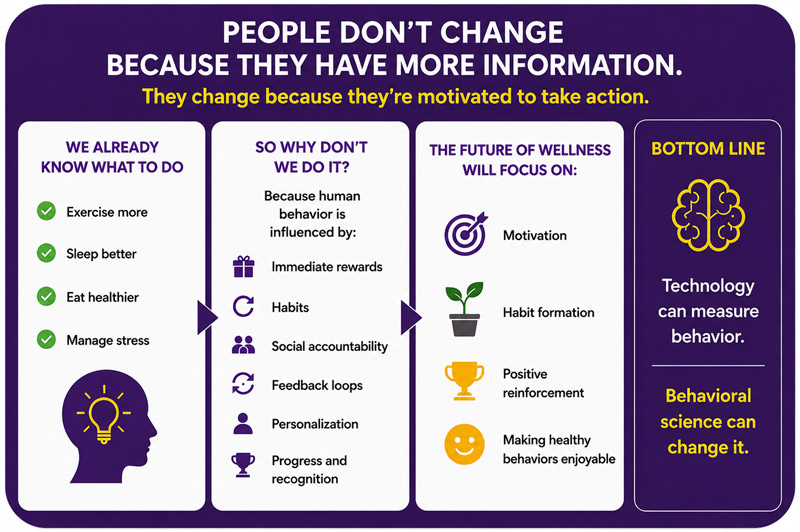
Because information alone doesn't create action. Behavioral science does.
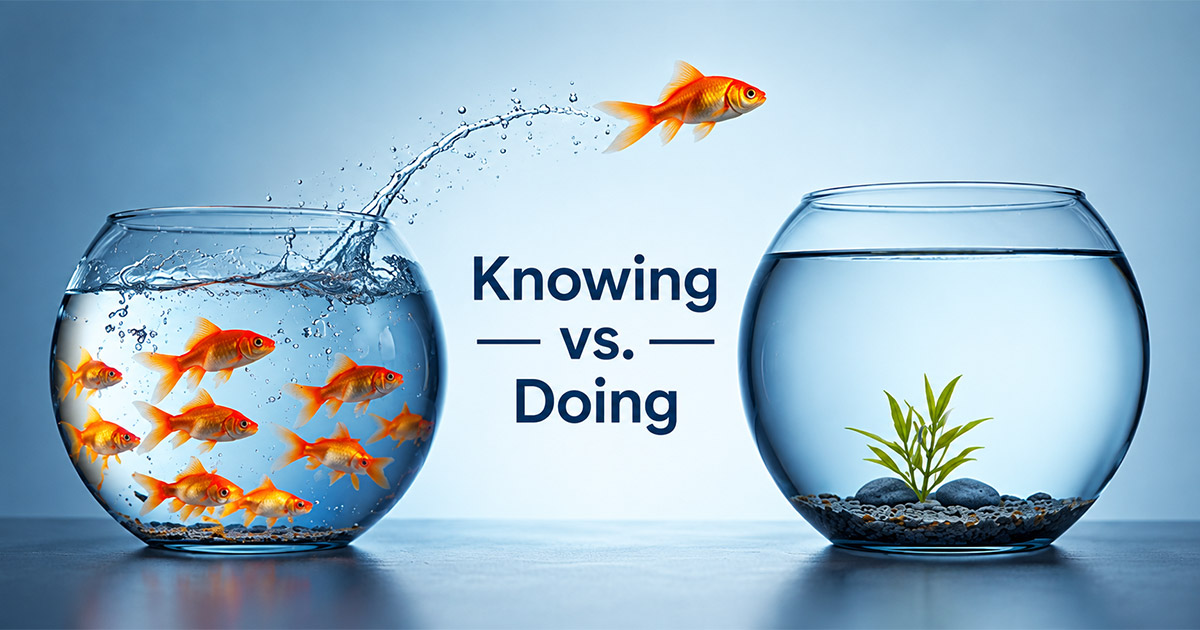
Most adults understand the basics of healthy living. The challenge isn't knowing what to do. It's doing it consistently.
Behavioral economists have long understood that human beings are not perfectly rational decision-makers. We are influenced by rewards, habits, social norms, feedback loops, and immediate gratification.
This reality has enormous implications for the future of wellness. Programs designed around education alone often produce modest engagement because they fail to account for human psychology.
People need motivation. They need progress. They need reinforcement. They need experiences that feel rewarding in the moment—not just promises of better health years from now.
This is why concepts like habit formation, social accountability, personalization, and positive reinforcement are becoming increasingly important in healthcare and employee wellness.
The future winners in digital health won't simply provide more information. They will design experiences that make healthy behaviors easier, more enjoyable, and more likely to be repeated.
Technology has solved the measurement problem. The next challenge is solving the motivation problem. And that challenge belongs squarely to behavioral science.