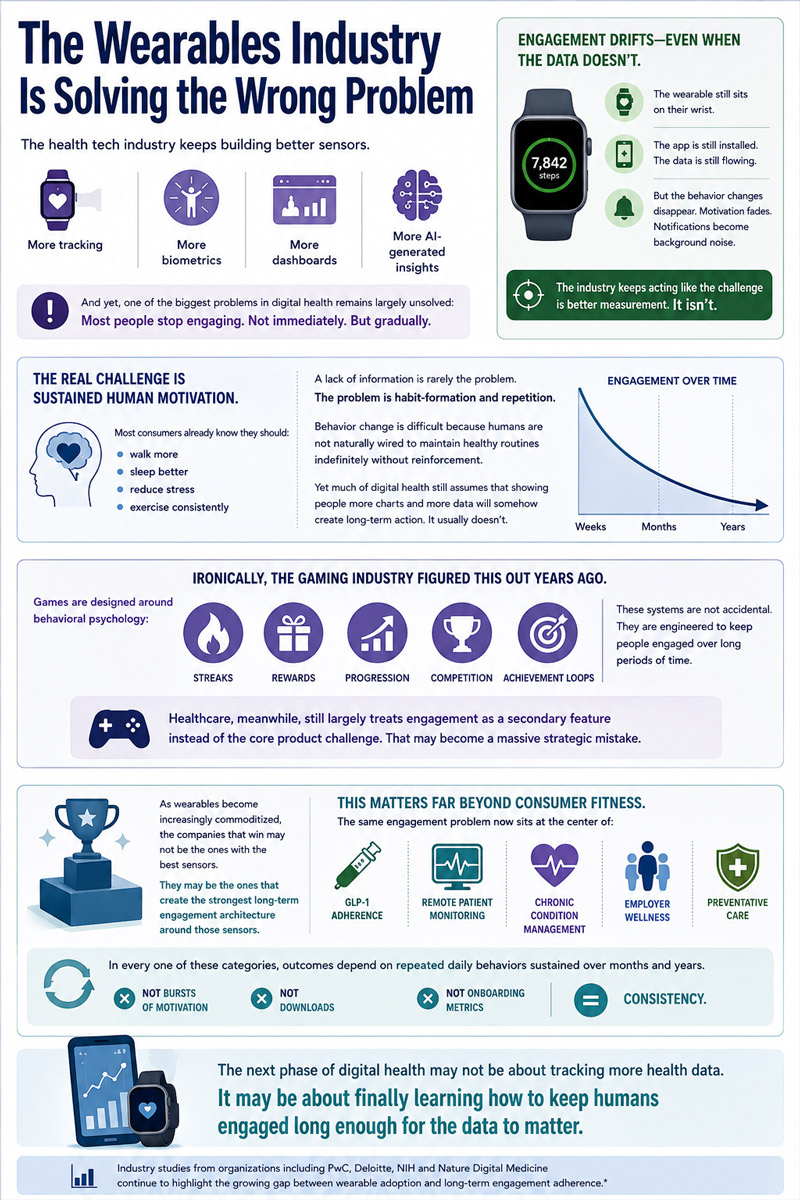
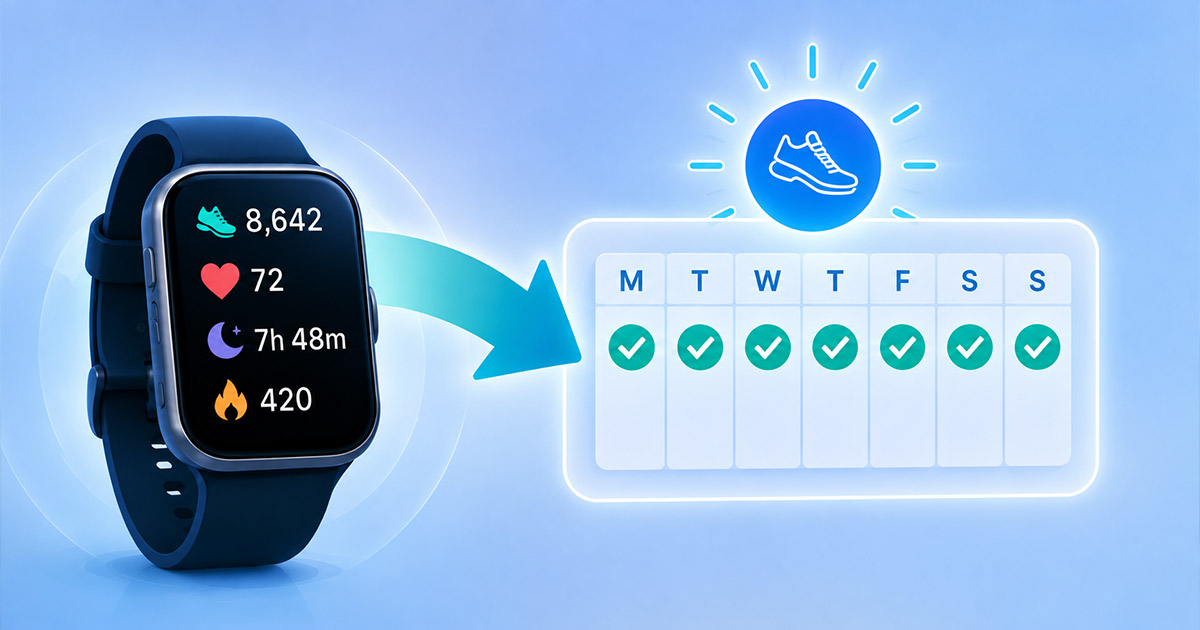
The health tech industry keeps building better sensors. More tracking. More biometrics. More dashboards. More AI-generated insights.
And yet, one of the biggest problems in digital health remains largely unsolved. Most people stop engaging. Not immediately. But gradually.
The wearable still sits on their wrist. The app is still installed. The data is still flowing. But the behavior changes disappear. Motivation fades. Notifications become background noise. The industry keeps acting like the challenge is better measurement.
It isn't. The real challenge is sustained human motivation.
Most consumers already know they should:
- Walk more
- Sleep better
- Reduce stress
- Exercise consistently
A lack of information is rarely the problem. The problem is habit-formation and repetition. Behavior change is difficult because humans are not naturally wired to maintain healthy routines indefinitely without reinforcement. Yet much of digital health still assumes that showing people more charts and more data will somehow create long-term action. It usually doesn't.
Ironically, the gaming industry figured this out years ago. Games are designed around behavioral psychology:
- Streaks
- Rewards
- Progression
- Competition
- Achievement loops
These systems are not accidental. They are engineered to keep people engaged over long periods of time.
Healthcare, meanwhile, still largely treats engagement as a secondary feature instead of the core product challenge. That may become a massive strategic mistake.
As wearables become increasingly commoditized, the companies that win may not be the ones with the best sensors. They may be the ones that create the strongest long-term engagement architecture around those sensors.
This matters far beyond consumer fitness. The same engagement problem now sits at the center of:
- GLP-1 adherence
- Remote patient monitoring
- Chronic condition management
- Employer wellness
- Preventative care
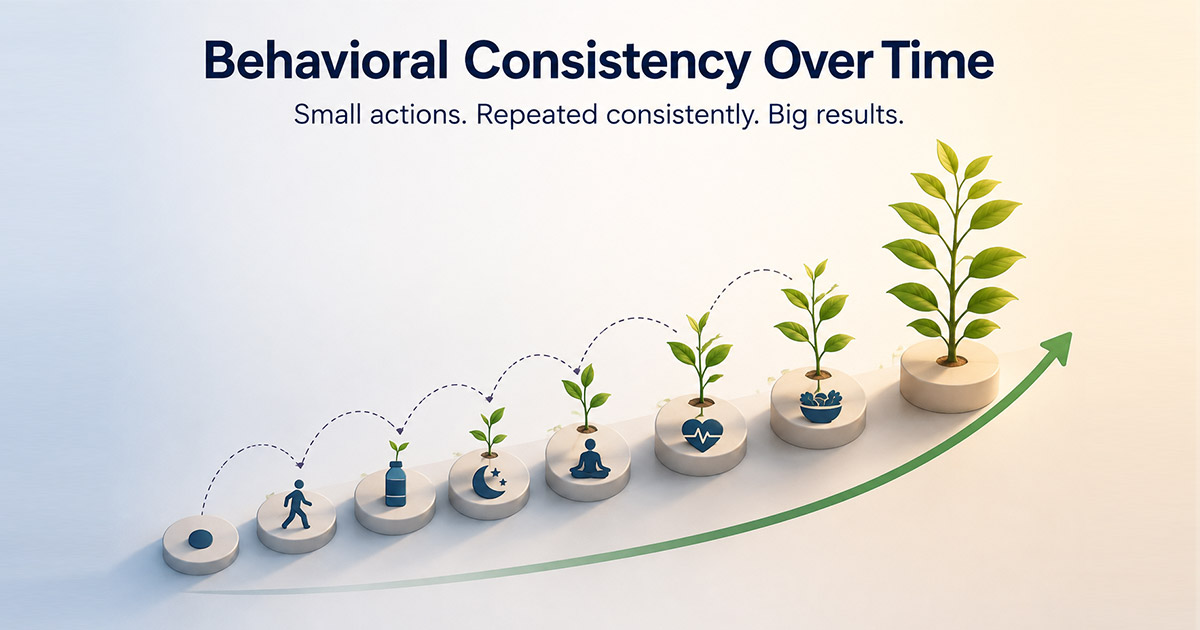
In every one of these categories, outcomes depend on repeated daily behaviors sustained over months and years. Not bursts of motivation. Not downloads. Not onboarding metrics. Consistency.
The next phase of digital health may not be about tracking more health data. It may be about finally learning how to keep humans engaged long enough for the data to matter.
Industry studies from organizations including PwC, Deloitte, NIH and Nature Digital Medicine continue to highlight the growing gap between wearable adoption and long-term engagement adherence.