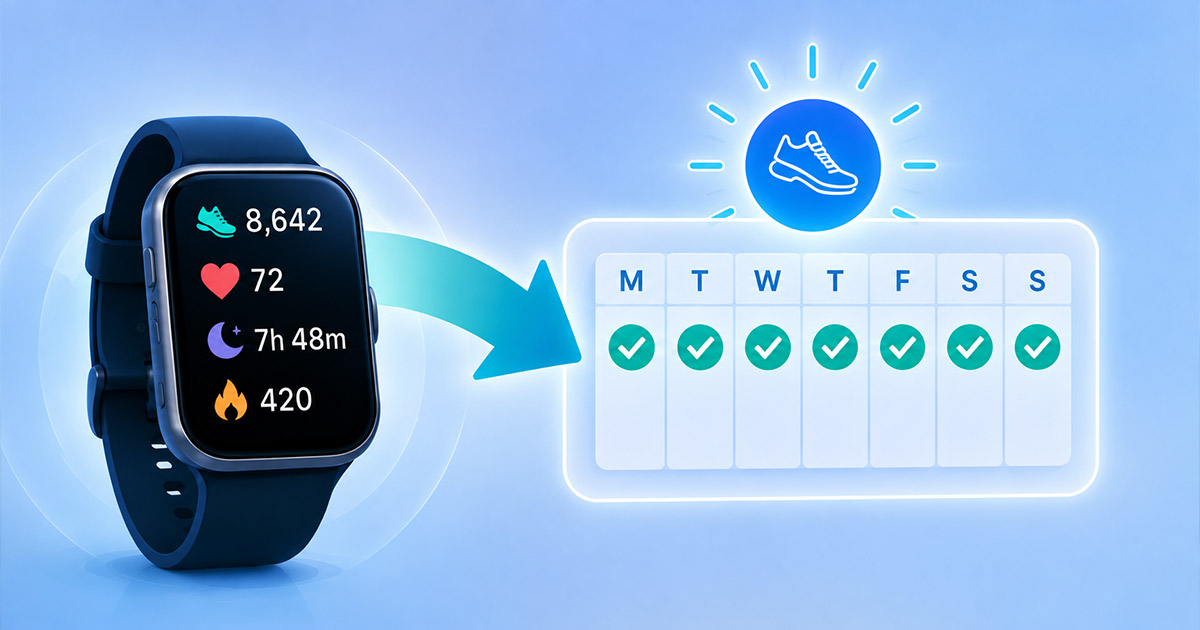
Healthcare has become very good at measuring moments. An annual physical captures a moment. A blood test captures a moment. Even many digital health measurements—steps, heart rate, sleep, exercise—are often evaluated as individual data points.
But the most valuable health data may not be what someone does on a particular day. It may be how consistently they do it over time.
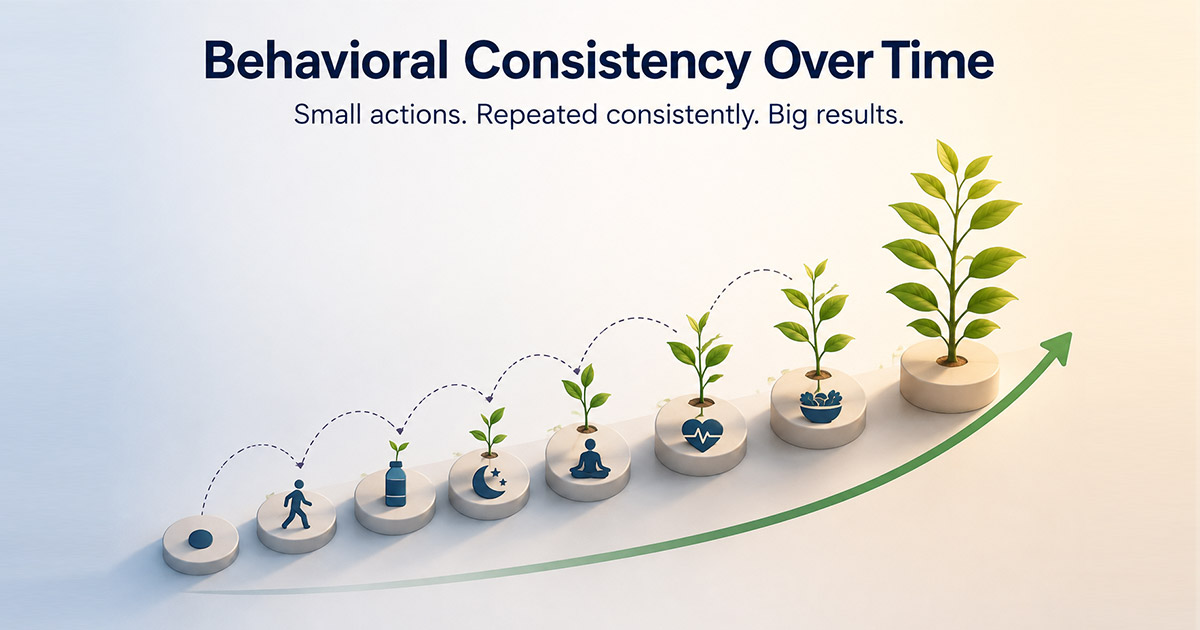
Health and wellness programs often celebrate intensity. Complete a major challenge. Hit 15,000 steps. Lose ten pounds. Exercise five days this week. Those achievements can be valuable, but they don't necessarily tell us whether someone is developing behaviors that will last. A person who exercises intensely for three weeks and then stops may ultimately achieve less than someone who walks 30 minutes almost every day for a year. The same principle applies to sleep, hydration, stress management, medication adherence and nutrition. The key: small actions repeated over time can compound.
Consistency can reveal motivation, engagement, adherence, habit formation and behavioral risk. And these insights that may ultimately be more actionable than another isolated measurement.
It's time for a better definition of engagement. Someone can wear a device every day without becoming healthier. Someone can open a wellness app without taking action. What if engagement were increasingly measured by whether people repeatedly engage in behaviors that support better health? Did they walk regularly? Maintain healthier sleep routines? Participate consistently in stress-management activities? Take medication as prescribed? Make better food choices more frequently? The objective shifts from measuring usage to measuring participation.
For employers, consistency could shift wellness from a benefit employees occasionally access to one that encourages small, repeatable actions throughout the year.
For insurers, longitudinal behavioral patterns could help identify risk and target interventions earlier.
For GLP-1 and chronic-condition programs, consistency could help reinforce the lifestyle behaviors that determine whether improvements persist.
For wearable and digital health companies, it could redefine engagement itself.
The objective would no longer be simply to get people to wear a device or open an application. It would be to help them consistently do something beneficial because of it.
There is one important catch. If behavioral consistency is valuable, digital health platforms cannot simply measure it. They have to help create it. That means using motivation, achievable goals, rewards, connection, challenges and other forms of reinforcement to turn individual actions into repeated behaviors.
The industry's first generation was largely about making health data visible. The next generation may be about making healthy behavior repeatable. Digital health does not suffer from a shortage of data. The opportunity now is determining which signals matter most, and using them to influence what people actually do.
The companies that lead the next era of digital health won't just measure more data. They'll help people stay consistent long enough for healthier behaviors to become a way of life.