
The Next Generation of Wellness Rewards Everyday Behaviors

Close-up of a person in sneakers walking up stone stairs lined with glowing lights, symbolizing small incremental progress toward health goals.

For years, workplace wellness programs have revolved around one primary activity: Counting steps.

Walking challenges have introduced millions of people to wellness initiatives, and they remain an effective engagement tool. But the future of health engagement is much bigger than steps.

Health is built through hundreds of small decisions that happen every day. Getting enough sleep. Managing stress. Completing preventive screenings. Practicing mindfulness. Participating in educational programs. Taking medications consistently. Learning new skills. Building stronger social connections.

Even workplace behaviors such as safety practices, training completion, and professional development can contribute to healthier, more resilient employees.

The next generation of wellness programs will recognize and reward these broader behaviors.

Why?

Because people are different. Not everyone is motivated by fitness challenges. Not everyone can participate in walking competitions. And not everyone starts from the same level of health.

The most inclusive wellness strategies create multiple pathways for success. They meet people where they are. They recognize progress in many forms. And they encourage small, sustainable actions that compound over time.

The future of wellness is not about finding one behavior that works for everyone. It's about creating systems that encourage many healthy behaviors for many different kinds of people.

Because lasting health improvement rarely comes from one big decision. It comes from hundreds of small ones.
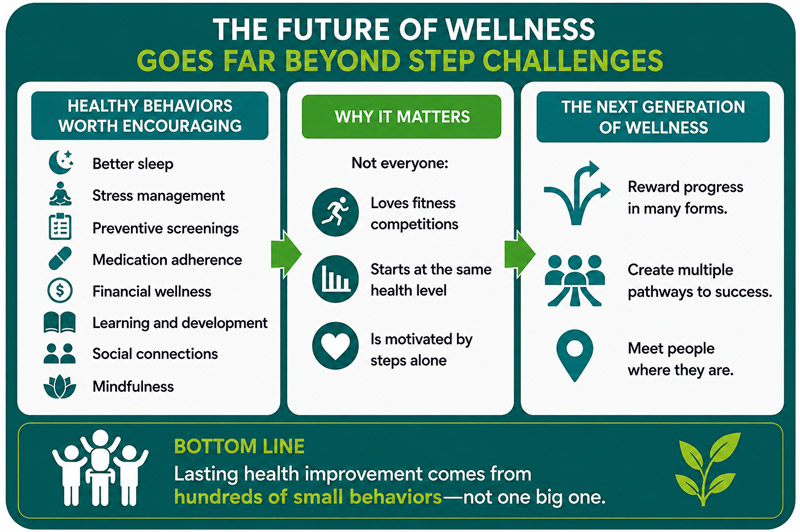
Infographic titled 'The Future of Wellness Goes Far Beyond Step Challenges,' outlining holistic health behaviors—such as stress management and financial wellness—and explaining how multi-pathway rewards create lasting participation.

Related Articles

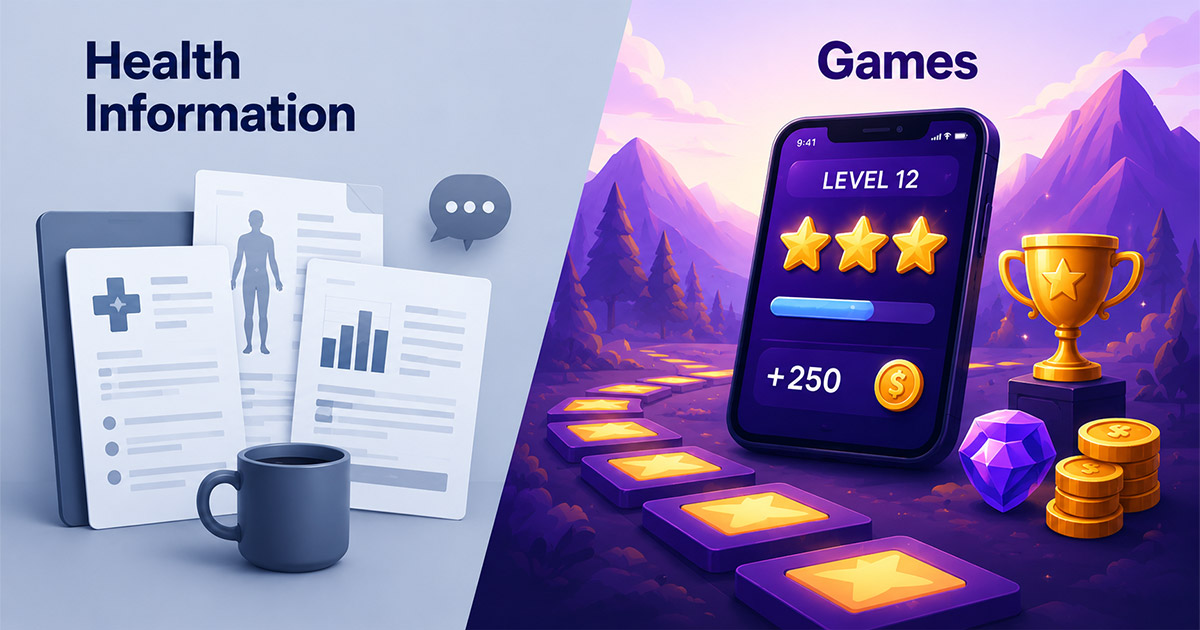
Split graphic comparing static medical reports and health information with an engaging, gamified smartphone reward experience.

Healthcare May Be Looking for Answers in the Wrong Industry

The gaming industry has spent decades learning how to keep people voluntarily engaged. Healthcare can apply many of the same principles—progress, rewards, social connection and purpose—to turn passive health experiences into sustained participation.

April 6, 2026 by Vigoroom
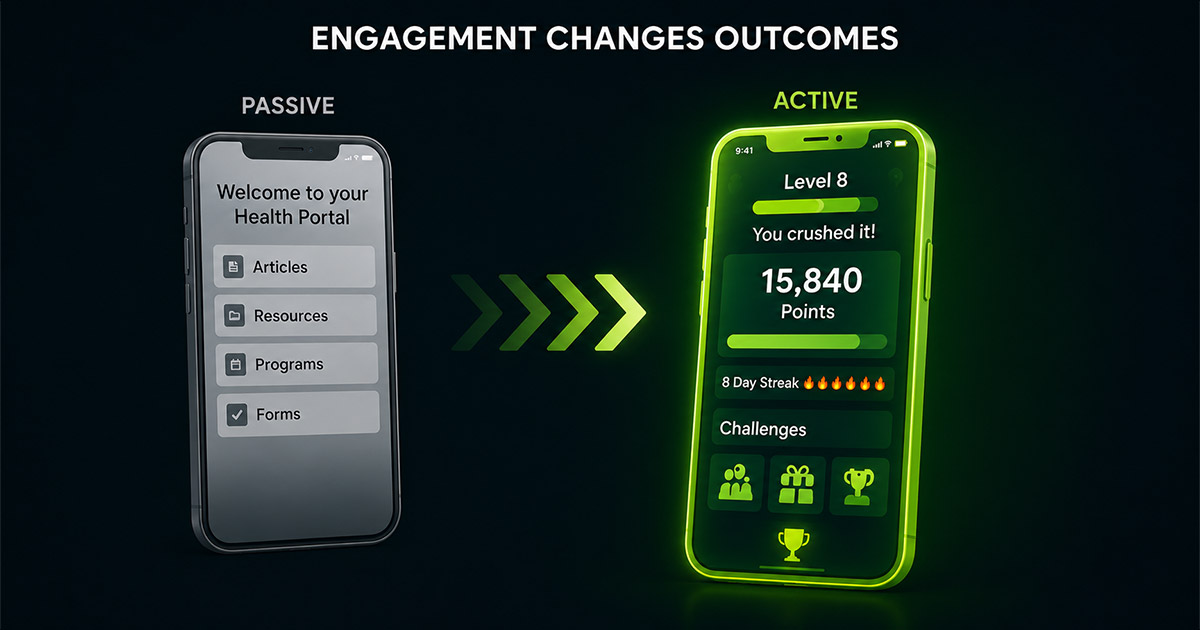
Comparison showing a transition from a passive health portal smartphone app to an active gamified app featuring point totals and streak tracking.

Insurance Carriers Don't Have a Data Problem. They Have an Engagement Problem.

Insurance carriers have more health data and digital tools than ever, yet sustained member participation remains elusive. The next opportunity is adding a behavioral activation layer that turns existing programs and data into continuous, measurable engagement.

April 20, 2026 by Vigoroom
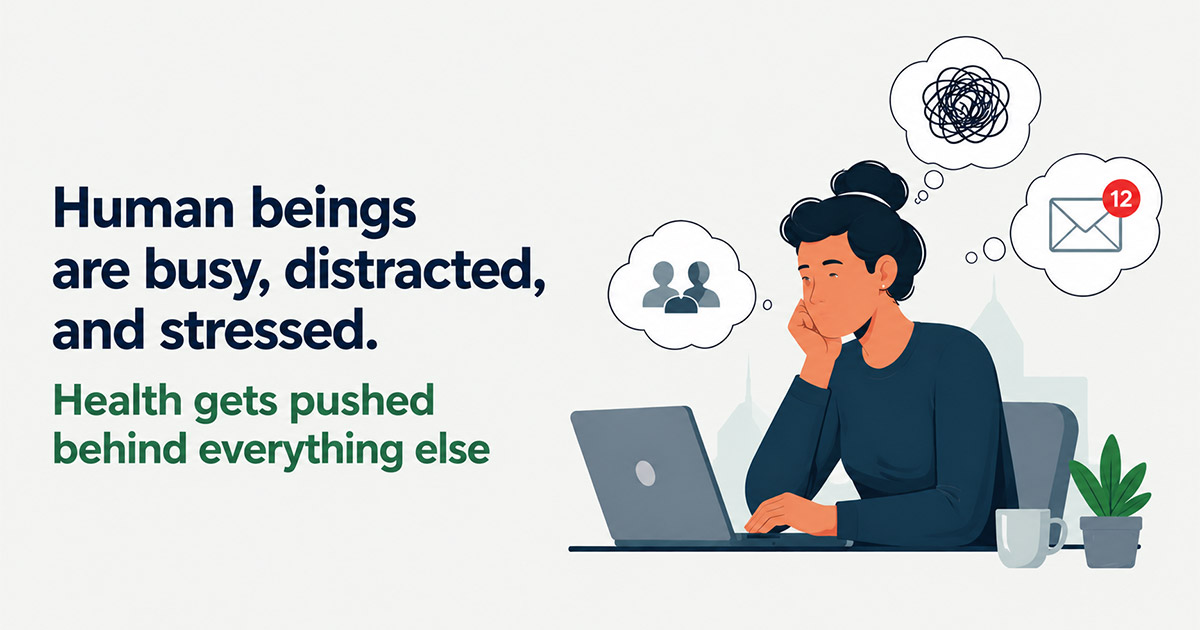
Illustration of a stressed office worker at a laptop surrounded by distraction bubbles, paired with text about health getting deprioritized.

The Wellness Industry Has an Engagement Problem, Not a Content Problem

Why workplace wellness continues to struggle with participation despite an abundance of health content—and why sustained engagement, habit formation, and daily action matter more than adding more resources.

May 4, 2026 by Vigoroom
Back to Insights