The Best Employee Experience Doesn't Feel Like Work

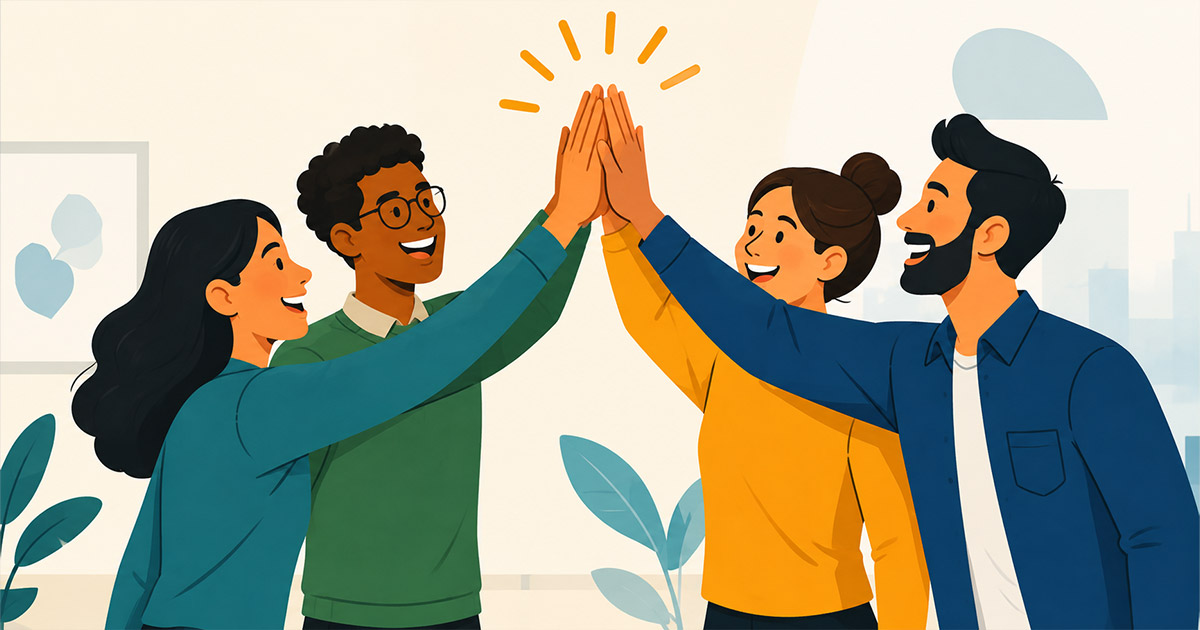
Vector illustration of four diverse colleagues high-fiving in an office setting, representing team collaboration and social connection.

Think about the apps people willingly open every day. They provide immediate feedback. They celebrate progress. They personalize the experience. They reward consistency. They make people want to come back tomorrow.

Now compare that to many workplace systems. Annual training. Long forms. Static portals. One-size-fits-all communications. Too often, engagement depends on obligation rather than genuine interest.

Employees don't lower their expectations when they walk into work. They bring with them the standards set by the world's best consumer technology. That creates an enormous opportunity for employers. The future of employee engagement won't be built around reminding people to participate. It will be built around designing experiences they actually enjoy returning to.

That doesn't mean turning work into entertainment. It means applying proven principles of human motivation. Small wins. Visible progress. Recognition. Personalization. Choice. Social connection. Consistent positive reinforcement.

These aren't gaming concepts. They're human behavior concepts. Organizations that understand this won't just see higher participation in wellness, learning, recognition and development initiatives. They'll create cultures where engagement becomes part of everyday work rather than another task on the calendar.

The companies that earn the most attention from employees won't necessarily communicate more often. They'll create experiences worth coming back to. That's a much harder challenge. And a much more valuable one.
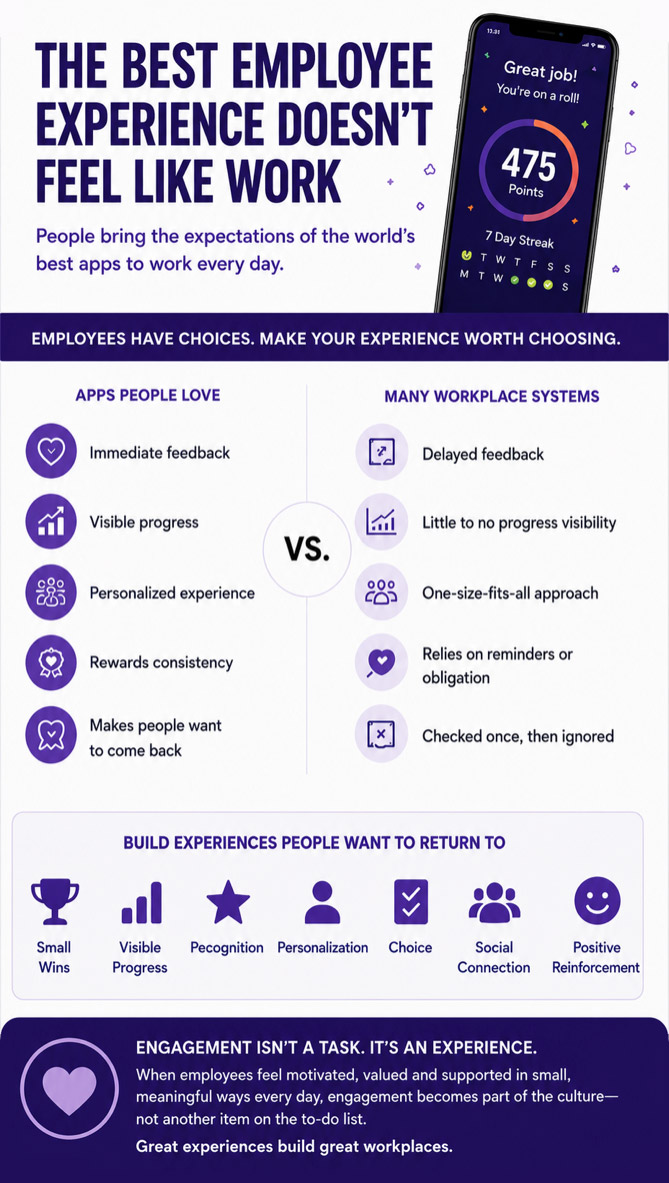
Infographic titled 'The Best Employee Experience Doesn't Feel Like Work,' contrasting consumer apps featuring immediate feedback and visible progress against traditional workplace systems with delayed feedback and one-size-fits-all approaches.

Related Articles

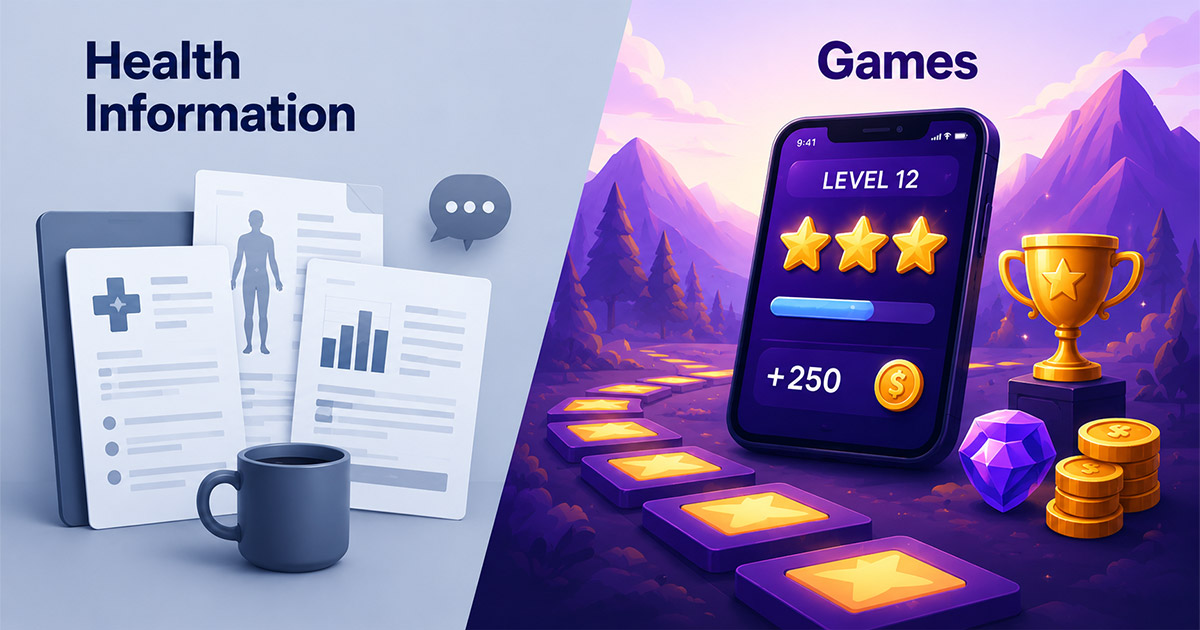
Split graphic comparing static medical reports and health information with an engaging, gamified smartphone reward experience.

Healthcare May Be Looking for Answers in the Wrong Industry

The gaming industry has spent decades learning how to keep people voluntarily engaged. Healthcare can apply many of the same principles—progress, rewards, social connection and purpose—to turn passive health experiences into sustained participation.

April 6, 2026 by Vigoroom
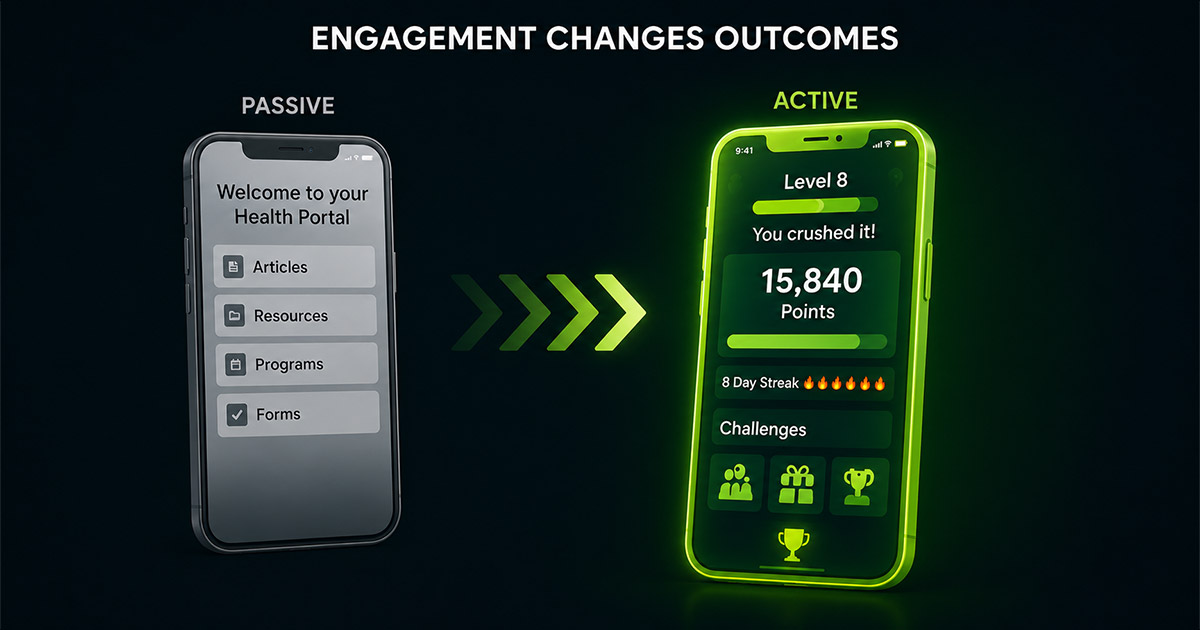
Comparison showing a transition from a passive health portal smartphone app to an active gamified app featuring point totals and streak tracking.

Insurance Carriers Don't Have a Data Problem. They Have an Engagement Problem.

Insurance carriers have more health data and digital tools than ever, yet sustained member participation remains elusive. The next opportunity is adding a behavioral activation layer that turns existing programs and data into continuous, measurable engagement.

April 20, 2026 by Vigoroom
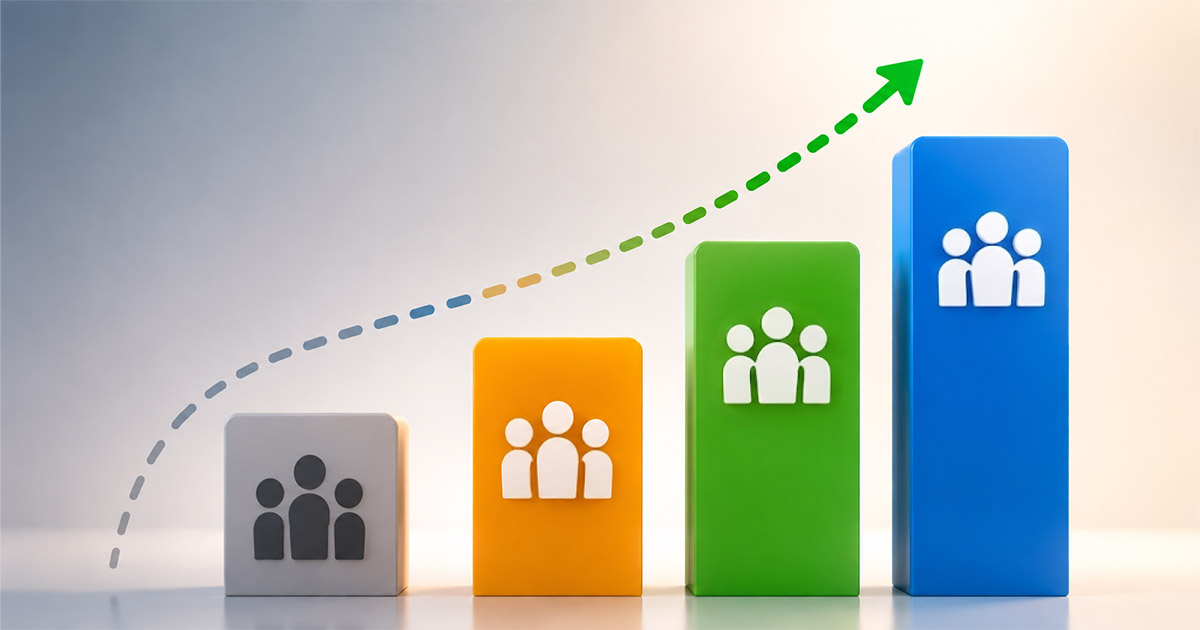
3D bar chart showing rising colored blocks with workforce icons under an upward-trending arrow, representing workforce growth and benefit ROI.

The Companies Winning the Talent War Aren't Adding More Benefits. They're Making Existing Benefits Matter

Employers don't necessarily need more benefits—they need more employees using the benefits they already provide. Increasing participation can unlock greater value from existing investments while improving employee satisfaction, retention, health outcomes, and productivity.

August 17, 2026 by Vigoroom
Back to Insights