
Companies have never had more employee data.
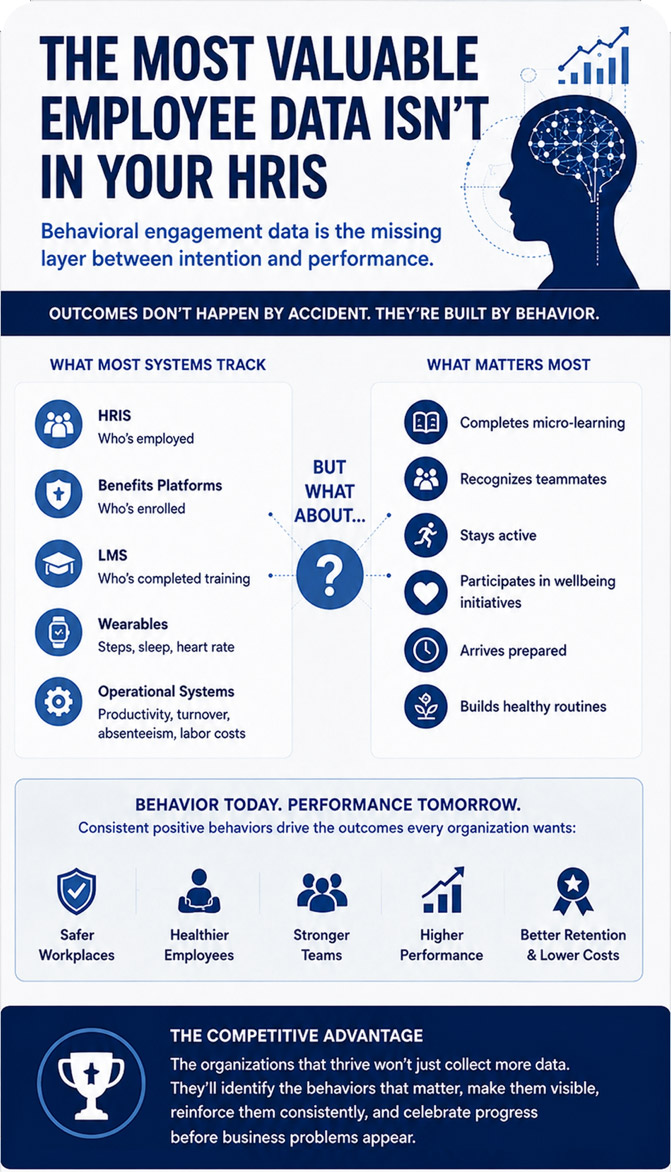
HR systems know who's employed. Benefits platforms know who's enrolled. Learning systems know who's completed training. Wearables know how many steps people take. Operational systems know productivity, turnover, absenteeism and labor costs.
Yet one critical question remains unanswered:
What positive behaviors are employees actually repeating every day?
That missing layer—behavioral engagement data—may become the most valuable workforce intelligence organizations possess over the next decade.
Every meaningful business outcome is preceded by dozens of small behaviors.
Safe workplaces are built from repeated safety habits. Healthy employees are built from repeated wellness habits. Strong leaders are built from repeated coaching habits. High-performing teams are built from repeated collaboration habits.
Most organizations measure the outcomes after they've already happened. Far fewer measure whether the behaviors that produce those outcomes are actually occurring.
Imagine understanding which employees consistently complete micro-learning, recognize teammates, stay active, participate in wellbeing initiatives, arrive prepared for shifts, or build healthy daily routines. Those aren't just engagement metrics. They're leading indicators of future organizational performance. This is especially relevant for employers with large frontline workforces.
Success isn't determined by one major initiative. It's determined by dozens of consistent decisions made during every shift by every employee.
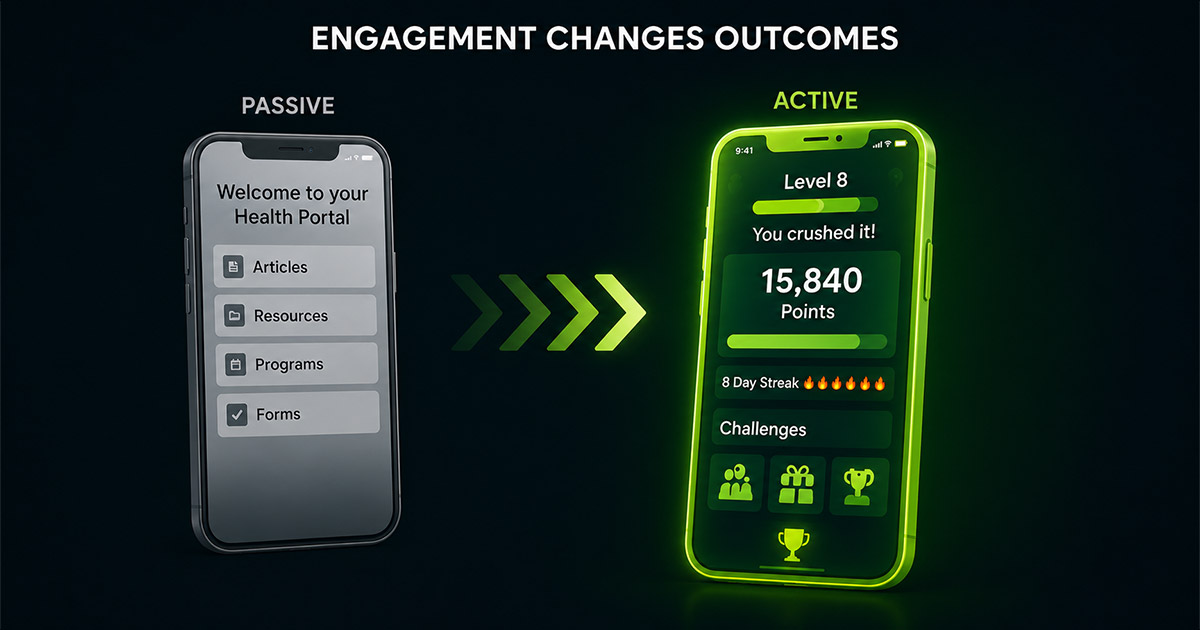
The organizations that thrive over the next decade won't simply collect more data. They'll identify the behaviors that matter most, make them visible, reinforce them consistently, and celebrate progress before business problems appear.
We've spent years talking about big data. The next competitive advantage may come from something much smaller: Dozens of positive behaviors—repeated every day.